
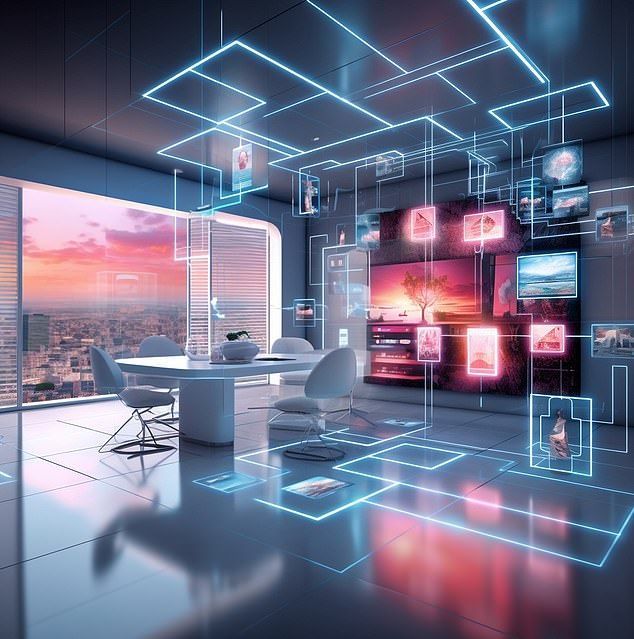
Digitalization has changed the way people live their daily lives, from how they work, learn, to how they interact socially. The presence of digital technology has shifted activities previously carried out manually to online platforms, creating both efficiency and new challenges. The most obvious changes are seen in the world of education, where digitalization has brought about e-learning systems, LMS, and hybrid learning that enable broader access to education. This not only makes things easier for students, but also opens up opportunities for institutions to expand their academic reach. In addition, the digital lifestyle is also reflected in health trends through applications, digital wellness and fitness digital. People are now increasingly aware of the importance of maintaining a balance between technology use and mental health, so mindfulness apps and wearable devices have become part of their daily routine. No less important, digitalization has also penetrated the world of fashion with the presence of digital fashion based on AR/VR and NFT. The younger generation, especially Gen Z, uses this technology to express their identity while following global trends.
Digital Lifestyle: Consumption and Social Interaction
Digitalization has not only changed the way we live, but also the way people shop and interact. Through TikTok Shop and Instagram Shopping, shopping becomes an interactive social experience, where consumers can interact directly with sellers and the community. Smart living is also becoming an important part of the digital lifestyle, with IoT-based smart homes providing convenience and efficiency. Smart devices such as smart speakers, smart locks, and digital security systems are now becoming the new standard for urban communities. However, behind this convenience there are major challenges in the form of data security and privacy. The data breach cases in Southeast Asia demonstrate that a digital lifestyle must be balanced with regulations and public awareness regarding the protection of personal information. In addition, the digital divide between urban and rural communities remains a major issue. Digital lifestyle is more accessible to urban communities, while rural areas still face infrastructure constraints. This creates inequality in enjoying the benefits of digitalization. Lifestyle digitalization in Indonesia encompasses wellness, smart living, social commerce, digital fitness, and digital fashion, all of which indicate a major shift towards a digital-first lifestyle. While full of opportunities, challenges such as data security and access gaps must be addressed for digitalization to be truly inclusive.
Want to make an app about digital lifestyle to digitalize your lifestyle?
Meda Technology can help you to make an app about digital lifestyle to give you efficiency and easy life in the digital era with security data protection. Talk to our experts and start your digital transformation journey today.